
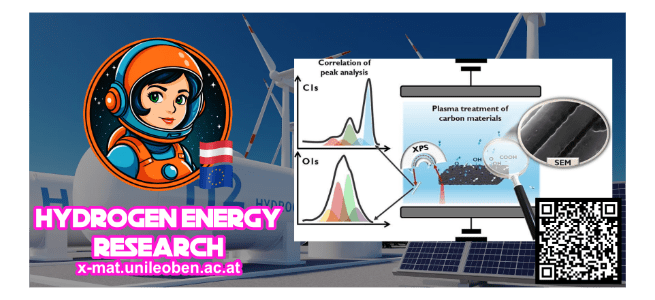
We are pleased to share our latest research, now published in Applied Surface Science. This study led by Ahmad Alem explores the use of radio frequency (RF) oxygen plasma as a powerful tool for functionalising the surface of carbon felts – materials with significant potential in energy storage, catalysis, and environmental technologies. By systematically varying plasma power and treatment duration, we demonstrated that moderate conditions (50–100 W) effectively introduce oxygen-containing functional groups such as hydroxyl, carbonyl, and carboxyl species, achieving oxygen contents up to approximately 30 at.%. However, at higher powers, ion bombardment shifts the process towards etching, reducing oxygen incorporation and causing surface damage. This work provides practical guidance for tailoring plasma parameters to optimise surface properties for specific applications.
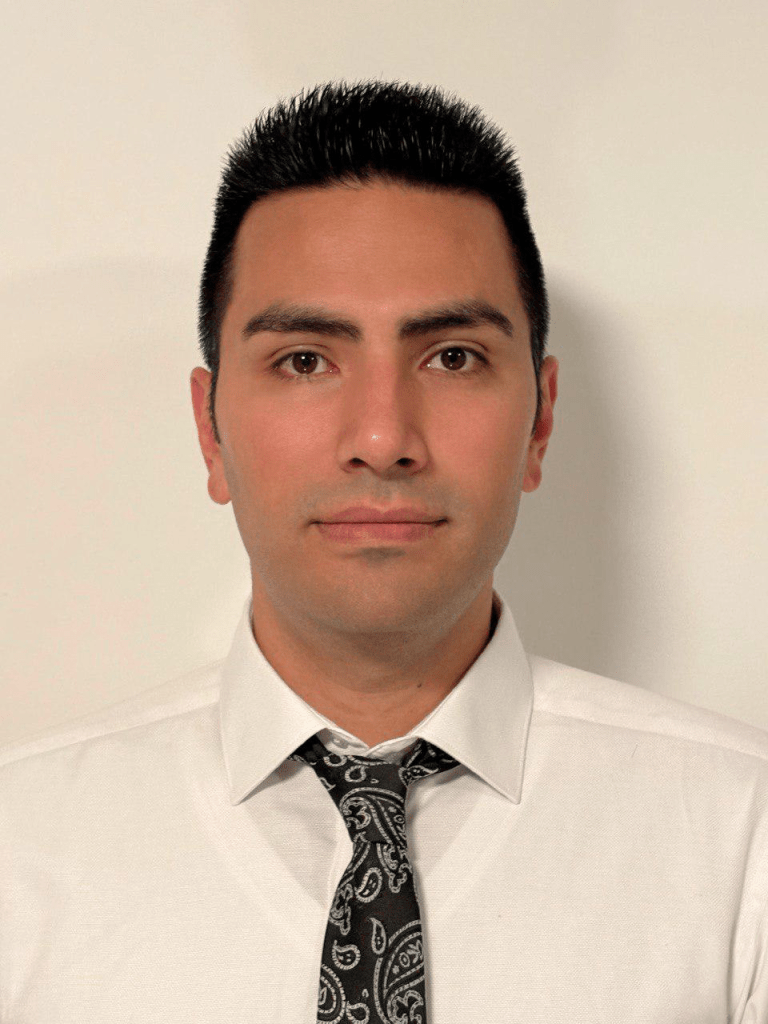
PhD researcher candidate at the Department of Polymeric Materials at MUL, first-author and led researcher of the paper!
A key contribution of this study is the development of a stoichiometric correlation framework for interpreting X-ray photoelectron spectroscopy (XPS) data. By linking the deconvolution of high-resolution C1s and O1s spectra through quantitative stoichiometric relationships, we achieved more accurate and consistent identification of oxygen functional groups — a persistent challenge in carbon surface analysis. Complementary Raman spectroscopy revealed progressive structural disorder, whilst scanning electron microscopy captured the morphological evolution from subtle surface roughening to pronounced etching. This integrated approach offers valuable methodological advances for researchers working with oxygen-functionalised carbon materials and enables functionalisation of carbon fibres amid electrolysers for hydrogen energy.
I am particularly happy with this publication as this marks the first collaboration between Nichteisenmetallurgie’s [X-MAT] and the polymer scientists in our University: this is an area we are expanding into specially considering our involvement in space materials, where polymers play a massive role.
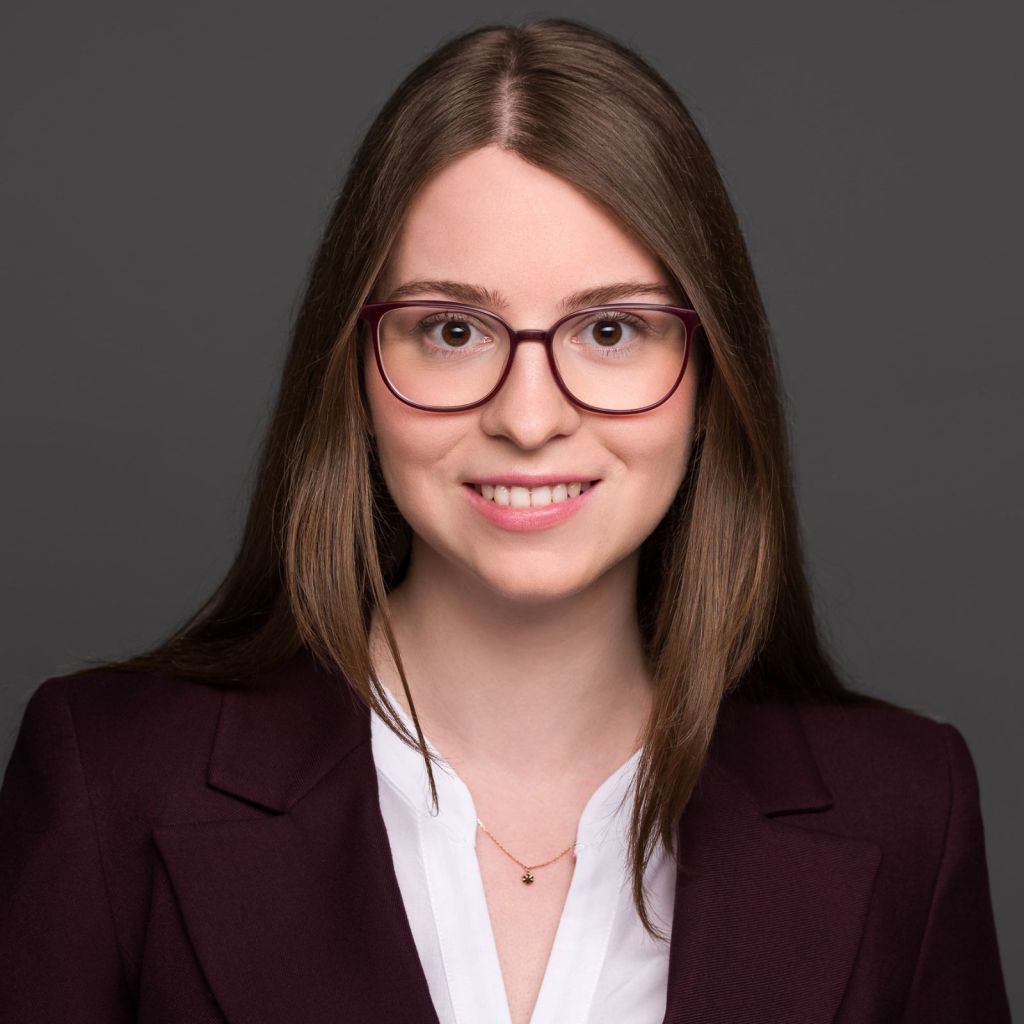
Additionally, I am very happy that our participation in this research was led by a very dedicated and rising-star young materials scientist, Dipl.-Ing. Nicole Wechner (right), which is also a PhD researcher at MUL working on charactisation of primary intermetallics in aluminium alloys through AI segmentation.
Open access to the paper:
Ahmad Alem, Yining Huang, Nicole Wechner, Michael Feuchter, Matheus A. Tunes, Christoph Rameshan, Stefan Spirk, Christine Bandl, Radio frequency O2-plasma treatment of carbon felts: stoichiometric insight into C1s and O1s XPS with correlated Raman and SEM characterization, Applied Surface Science, Volume 729, 2026, 166208, ISSN 0169-4332, https://doi.org/10.1016/j.apsusc.2026.166208.

 Materials at Extremes