Leoben makes waves in fusion materials research
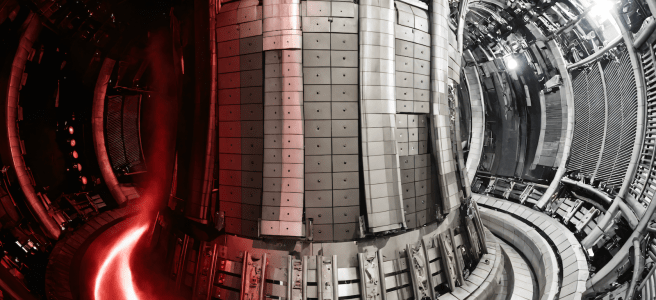
The [X-MAT] team at the Chair of Nonferrous Metallurgy, Montanuniversität Leoben, has drawn global attention with a groundbreaking study published in Advanced Science (DOI: 10.1002/advs.202417659). With more than 1k views and reads in the journal's first month after publication, our work challenges the prevailing high-entropy alloy (HEA) paradigm by proving that even simpler alloy systems can outperform their … Continue reading Leoben makes waves in fusion materials research
Revolutionary Findings in Nonferrous Metallurgy for Fusion Technology

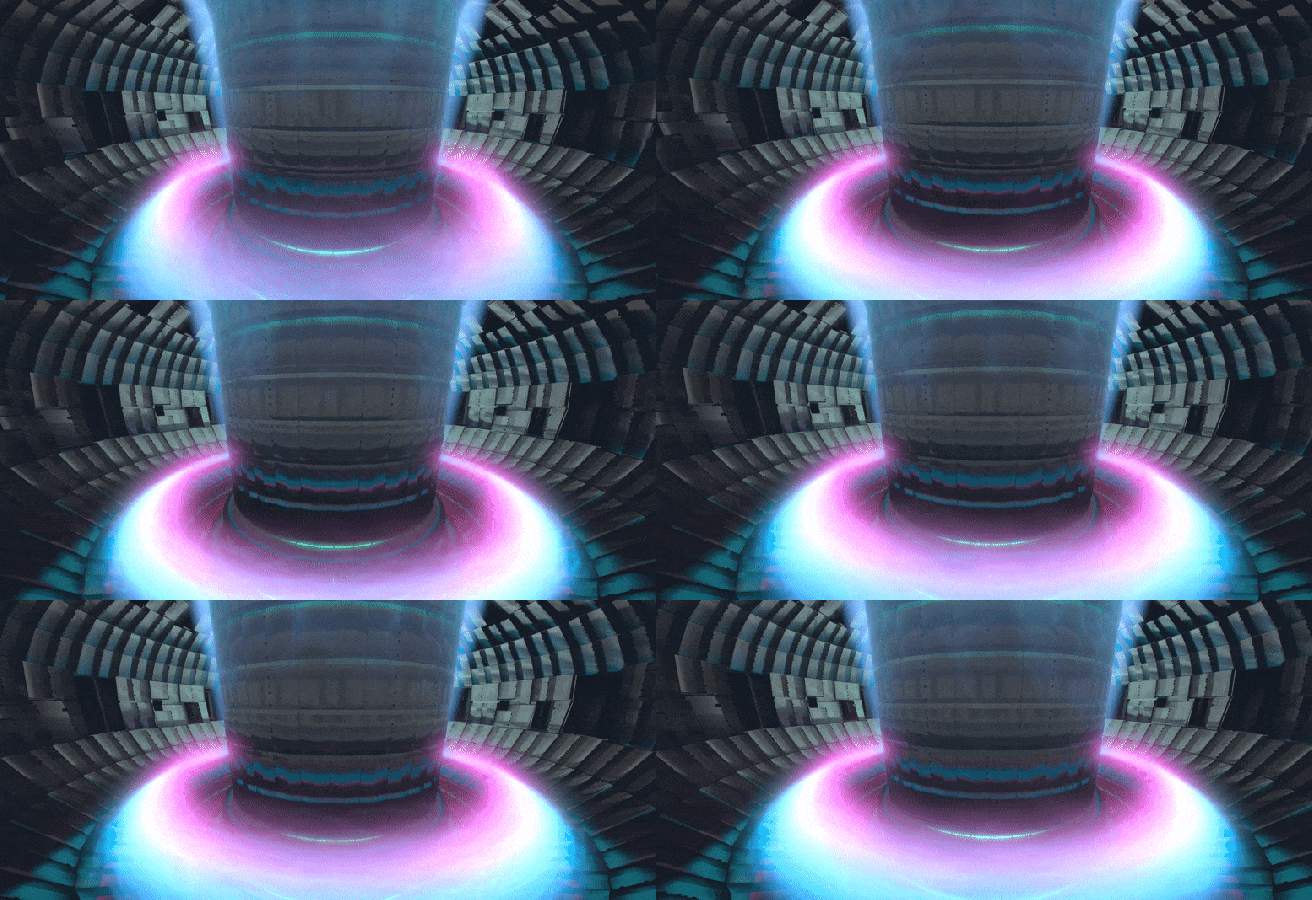
03/20/2025 The [X-MAT] research team from the Chair of Nonferrous Metallurgy, in collaboration with international partners, has made a significant breakthrough in the development of radiation-resistant materials for nuclear fusion reactors. Their latest study, published in Advanced Science (DOI: 10.1002/advs.202417659), challenges conventional high-entropy alloy (HEA) concept by demonstrating that reduced chemical complexity can still achieve … Continue reading Revolutionary Findings in Nonferrous Metallurgy for Fusion Technology

Magnetic nanoislands: our interview to “Jornal da USP”

Our interview to Journal da USP is now online, in Portuguese: https://jornal.usp.br/ciencias/liga-metalica-esconde-material-magnetico-com-potencial-para-aprimorar-dispositivos-eletronicos/ A link with an English translation provided by Google is here: https://jornal-usp-br.translate.goog/ciencias/liga-metalica-esconde-material-magnetico-com-potencial-para-aprimorar-dispositivos-eletronicos/?_x_tr_sl=auto&_x_tr_tl=en&_x_tr_hl=en-US

Nuclear Materials Biweekly Highlights – #1

We initiate today a new series of posts in the blog targeting an specific niche of the materials at extremes community: the nuclear materials biweekly highlights. In this bimonthly newsletter, we will be covering some special picks of scientific research and development within the nuclear materials community. Obviously, the picks are made by this editor, … Continue reading Nuclear Materials Biweekly Highlights – #1

Inert gas bubbles and voids: a posed challenge for the future of nuclear fusion

Future controlled thermonuclear reactors (CTR) will produce large quantities of He gas. The nuclear fusion reaction between deuterium (D) and tritium (T) nuclei predicts the generation of a highly-energetic He atom (3.5 MeV) and an additional neutron with around of 14 MeV. Compared to current existing nuclear fission reactors, CTRs will be very aggressive environments for … Continue reading Inert gas bubbles and voids: a posed challenge for the future of nuclear fusion