
A fascinating research paper recently caught my attention: it documents the final images captured by the Voyager 1 spacecraft before its cameras were permanently shut down. While the images themselves are breathtaking, what truly stood out to me was the incredible effort behind protecting the spacecraft from radiation damage as it ventured farther from the Sun.
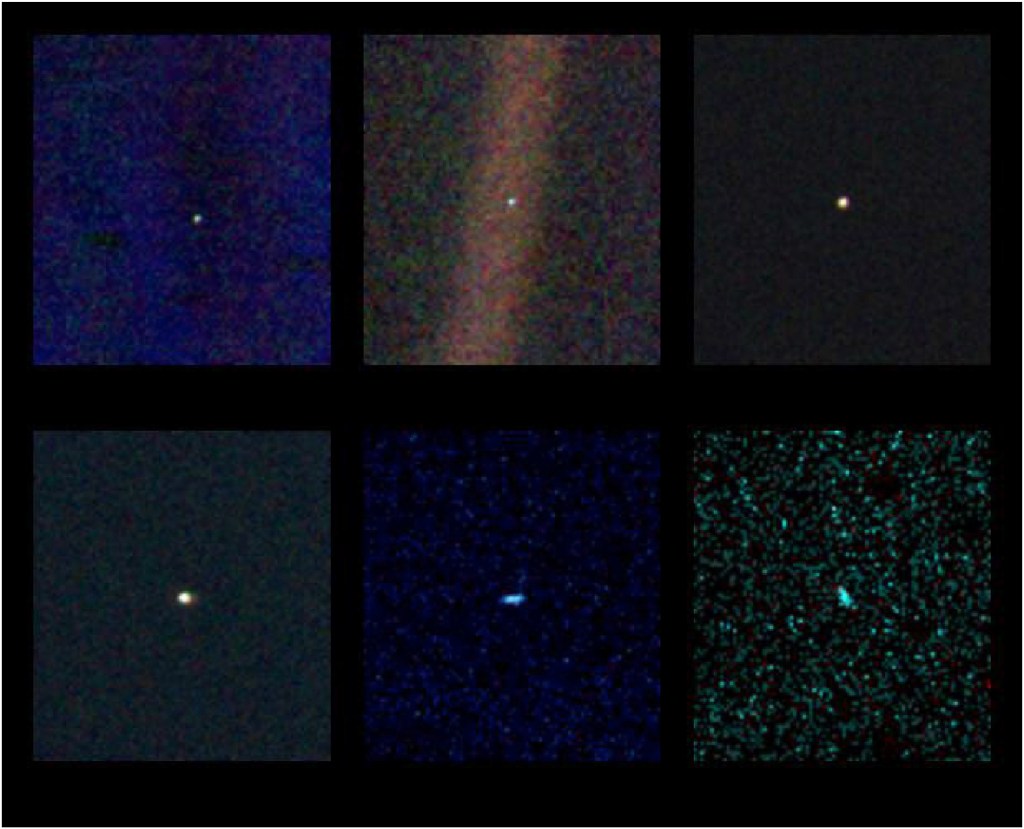
The Voyager team had to carefully maneuver and adjust the spacecraft’s shielding to minimize the impact of solar radiation. This wasn’t just a simple tweak; it required strategic positioning, smart use of existing shielding materials, and a deep understanding of how spaceborne electronics withstand prolonged exposure to cosmic conditions. The fact that they managed to safeguard Voyager’s delicate instruments for so long is a testament to their engineering brilliance.
Now drifting in interstellar space, Voyager 1 continues to send back data, proving that human ingenuity can take us beyond the limits of our own solar system. This paper serves as a reminder that space exploration is not just about reaching new frontiers—it’s about overcoming challenges with intelligence, adaptability, and precision.
Very interesting also is the comment by the authors on the several challenges and difficulties they faced to secure funding for their research. The New Yorker Magazine dedicated a cartoon for their funding struggle!

It is uncountable how important the Voyager mission was for us as mankind!
Kosmann, W. J., Hansen, C. J., & Sagan, C. (2020). IAC-19-F4. 1.8 The Family Portrait of the solar system: The last set of images taken by Voyager 1 and the fascinating story of how they came to be. Acta Astronautica, 177, 425-437. https://doi.org/10.1016/j.actaastro.2020.05.055

 Materials at Extremes