

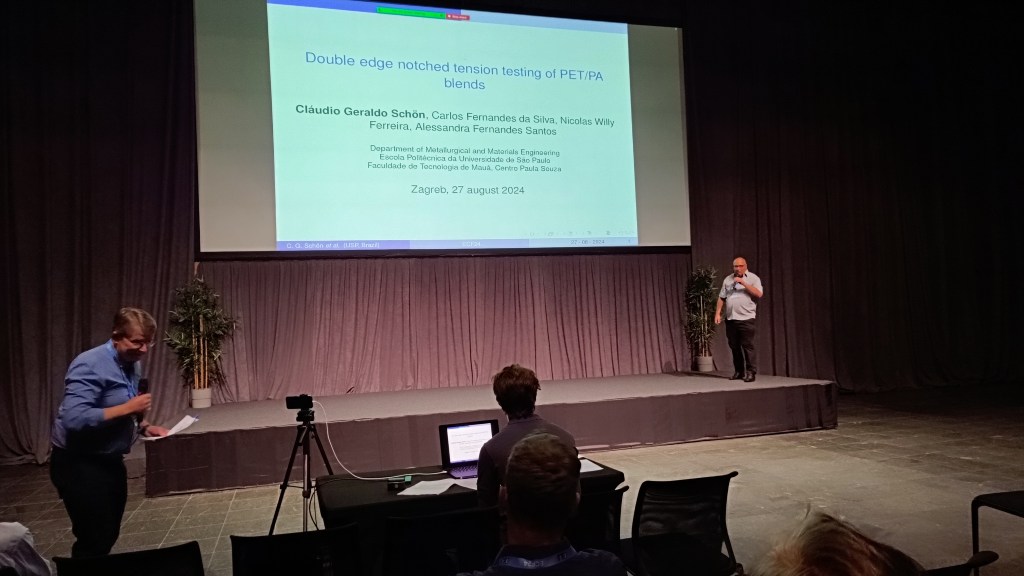
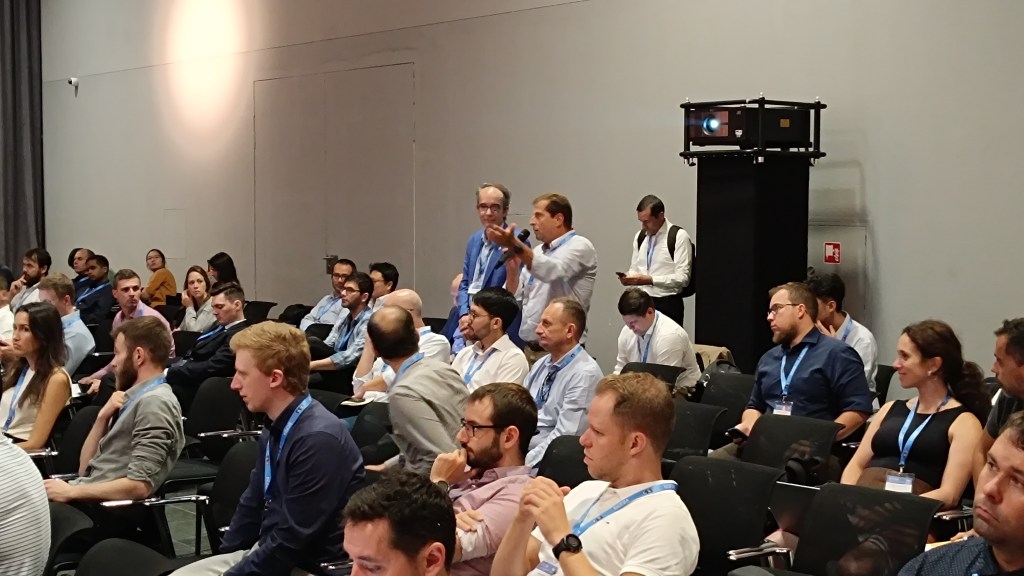
This week, we had the pleasure of attending the 24th European Conference on Fracture (ECF) in Zagreb, Croatia. The experience was truly remarkable, with the conference offering a wealth of insights and opportunities to connect with experts in the field.
The community of hydrogen embrittlement likes to destroy materials more than any other community in our field of research!
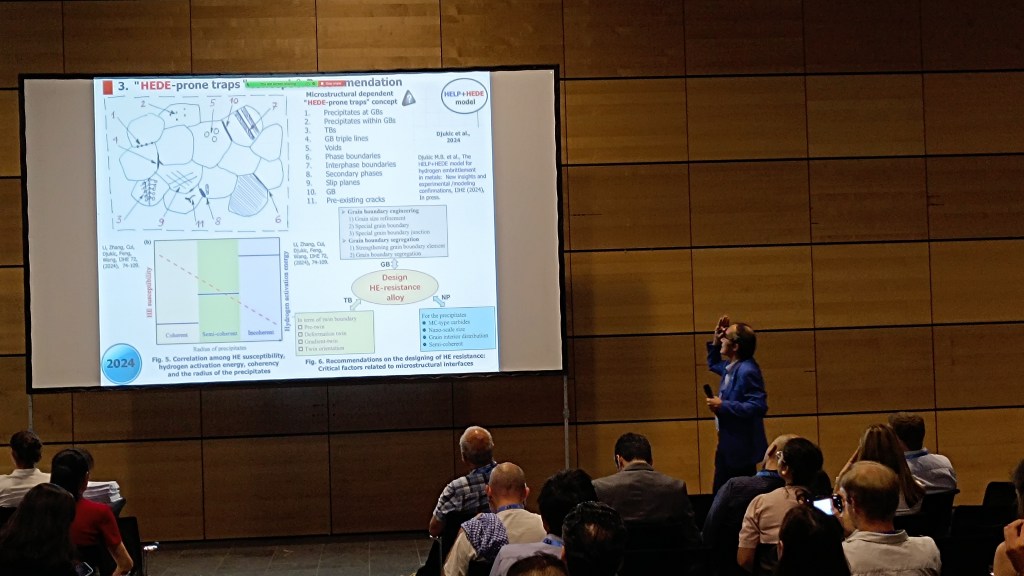
A major highlight was the growing focus on fracture mechanics in additive manufactured (AM) materials. Several plenary lectures introduced innovative approaches to understanding and manipulating failure in these materials, marking an exciting shift in the field as AM continues to gain importance across industries.
Our participation centered around the Hydrogen Embrittlement symposium, where we explored the challenges posed by hydrogen in materials critical for the emerging hydrogen energy infrastructure. My talk focused on the persistent limitations in hydrogen detection, even after 150 years of research, sparking engaging discussions on how to address these challenges moving forward.
As we wrap up here in Zagreb, I’m already looking forward to the next ECF in Athens, Greece, eager to continue these important conversations and contribute to the future of fracture mechanics.
Our participation was mainly focused into the Hydrogen Embrittlement symposium, where several nice talks explored the deleterious effects of hydrogen in functional materials for the emerging hydrogen energy infrastructure. My talk was focused into the last perspective paper we wrote about the limitations of hydrogen detection in materials after 150 years of hydrogen embrittlement research: access the paper here!

Dipl.-Ing. Stefanie Pichler from Montanuniversität Leoben presenting her Master work on hydrogen embrittlement testing of steels and other materials.

 Materials at Extremes
One thought on “Highlights from the 24th European Conference on Fracture in Zagreb, Croatia”