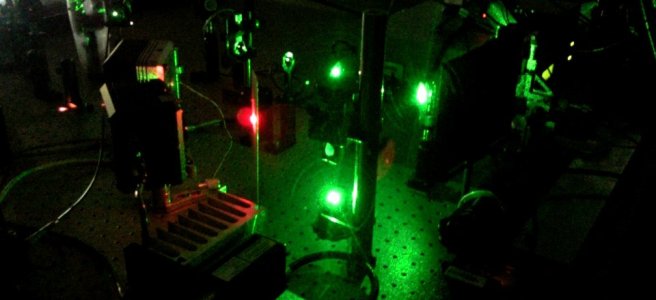
One-grain-at-a-time: how in situ EBSD rewrote sink-strength theory for space aluminium

Ultrafine-grained (UFG) aluminium alloys are strong candidates for space structures: their dense grain-boundary network acts as sinks that absorb radiation-induced defects (more in our perspective review https://doi.org/10.1021/acsmaterialsau.5c00139). But that advantage only survives if the microstructure does — and in Low-Earth Orbit, sunlit components reach ~200 °C, right where severely deformed aluminium begins to recrystallise. The … Continue reading One-grain-at-a-time: how in situ EBSD rewrote sink-strength theory for space aluminium

Rethinking copper metallurgy for the future of fusion reactors

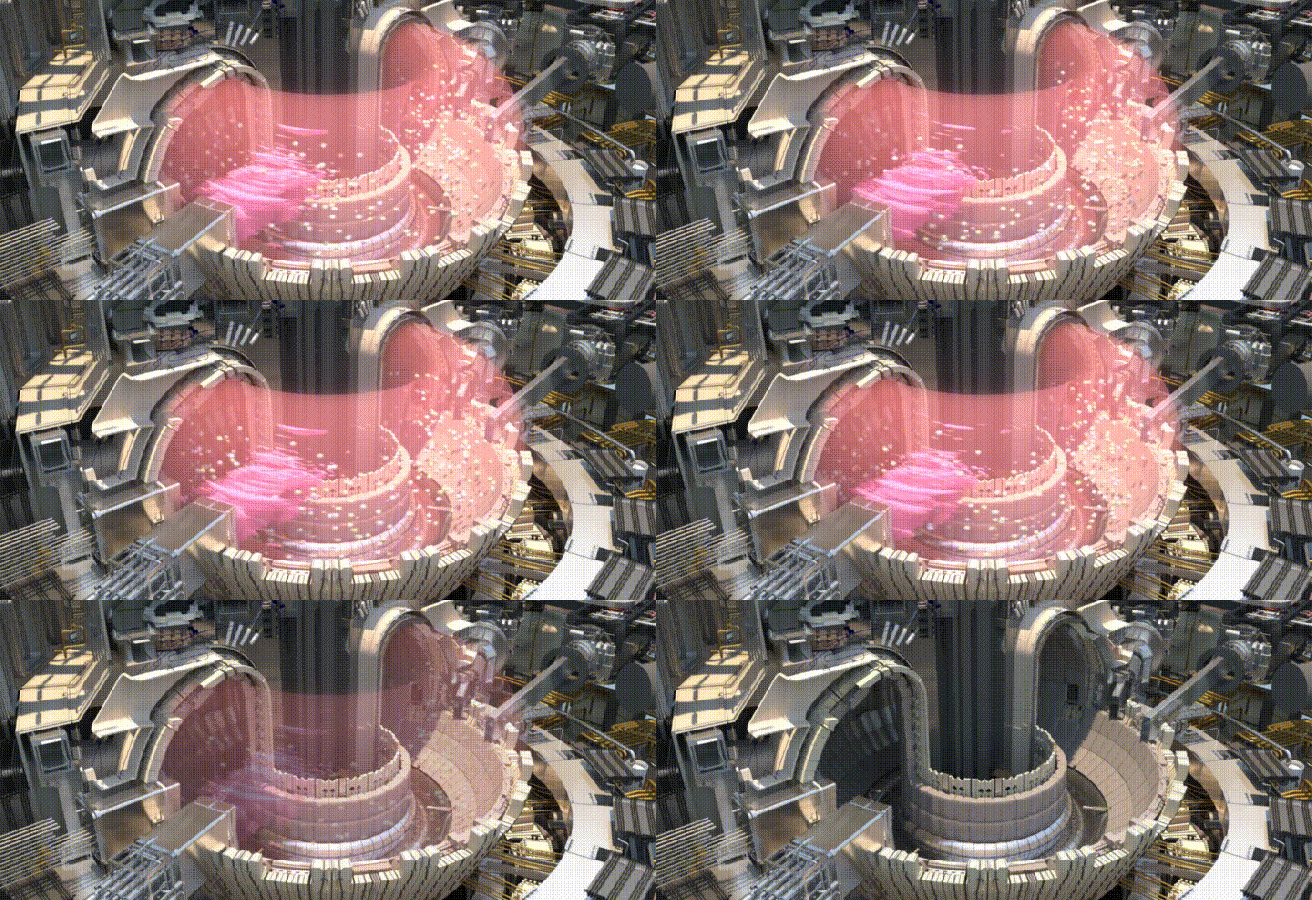
We are delighted to share a new preprint that takes on one of fusion energy's most stubborn materials problems: building a heat sink that can survive inside a reactor. Commercial fusion demands components that withstand intense neutron bombardment while extracting punishing heat loads for conversion to electricity, and CuCrZr — a copper alloy strengthened by … Continue reading Rethinking copper metallurgy for the future of fusion reactors

Unveiling the Science of Nanometallurgy

A significant study from our research team, titled "Unravelling Nanometallurgy with In Situ Transmission Electron Microscopy: A Case Study with Copper Nanowires," was recently published in Nano Today. Led by Diego Coradini, our former PhD student, the research delves into the behavior of copper nanowires under extreme heating conditions within a transmission electron microscope. By … Continue reading Unveiling the Science of Nanometallurgy