
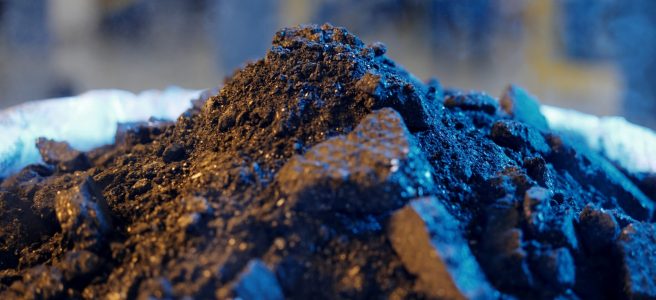
As the world accelerates its transition to electric vehicles and renewable energy, the pressure to recycle lithium-ion batteries efficiently has never been greater. At the heart of most recycling processes sits a fine black powder called black mass — a mixture of cathode and anode materials, binder residues, and metallic fragments recovered from spent batteries. While the chemical composition of black mass has been studied in detail, its physical properties have remained surprisingly overlooked. Yet these properties — how the powder flows, how accessible its surfaces are to chemical reagents, how its particles are shaped — directly determine how well a recycling process performs. Our new open-access paper, published in the Journal of Materials Research and Technology, takes on this gap head-on.
To do so, we applied a multi-scale, multimodal characterisation approach to three industrial based black mass samples produced via different thermal pretreatment routes, combining techniques spanning the atomic to the macroscopic scale. The results reveal just how profoundly pretreatment history shapes physical behaviour: pyrolysed materials show cleaner surfaces, better flowability, and pronounced nanoscale porosity, whilst vacuum-dried black mass retains binder films that impede both powder handling and surface accessibility. Crucially, the study shows that nanoscale interfacial structure correlates directly with macroscopic flow behaviour — a connection that only becomes visible when multiple techniques are used together. The takeaway is clear: physical characterisation is not a secondary concern in battery recycling. It is central to it.
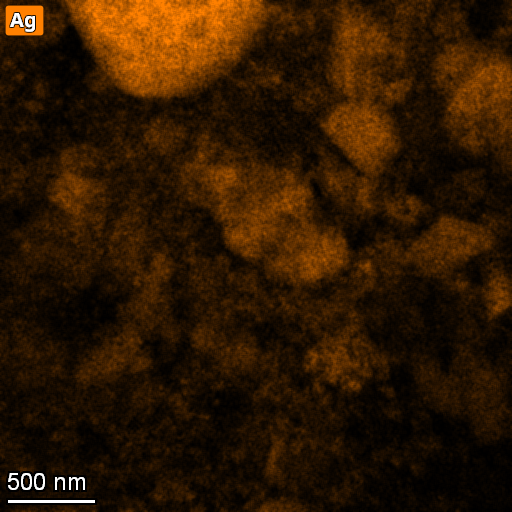
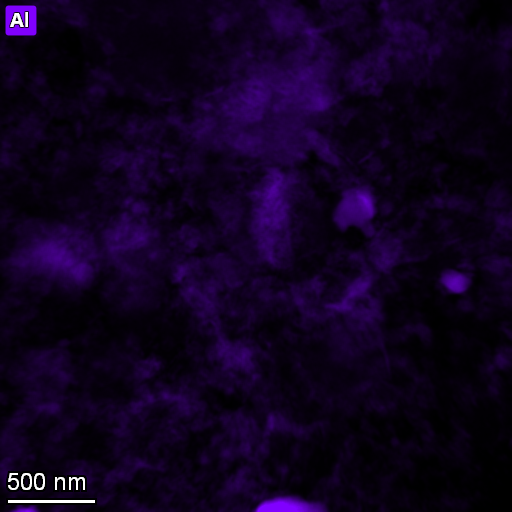
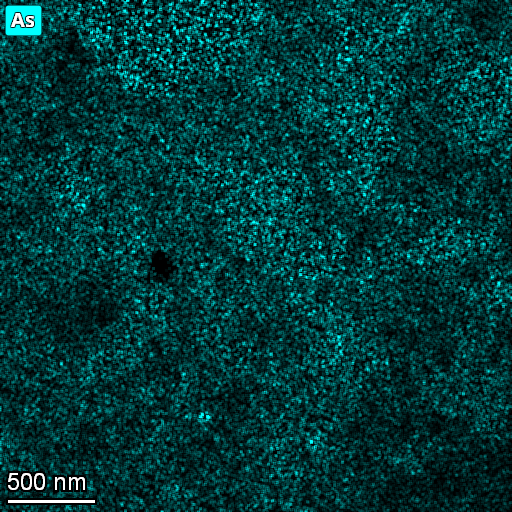
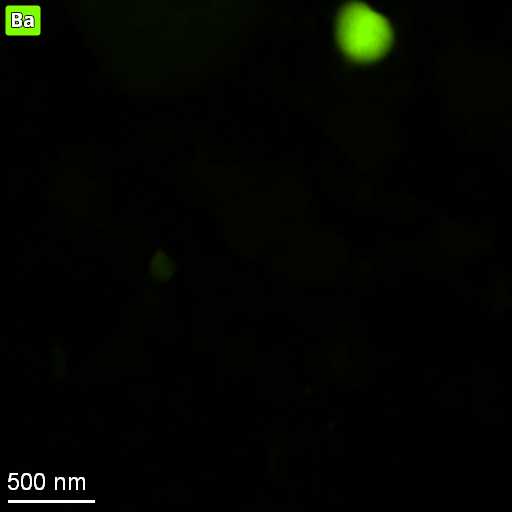
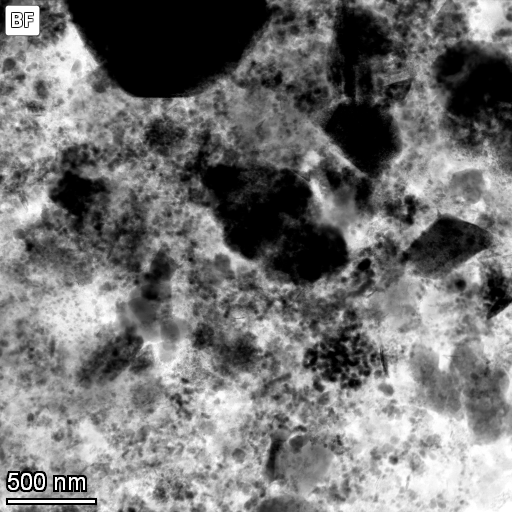
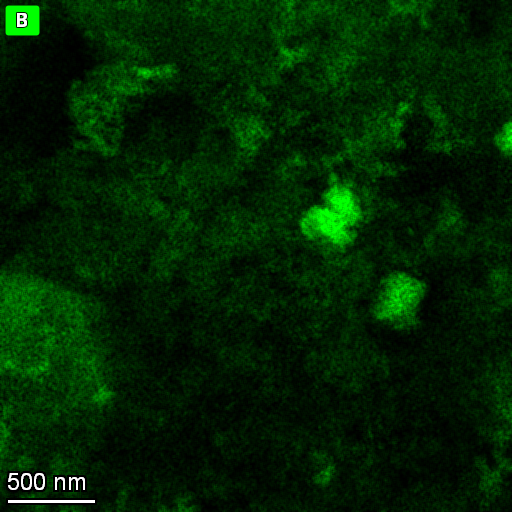
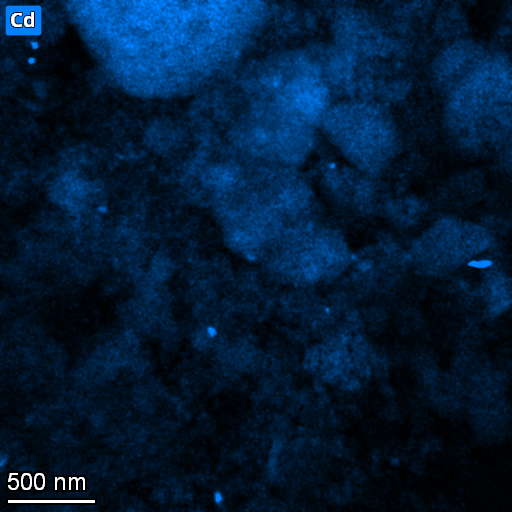
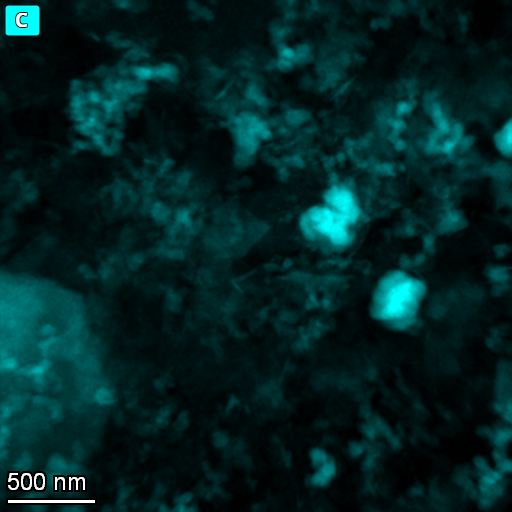
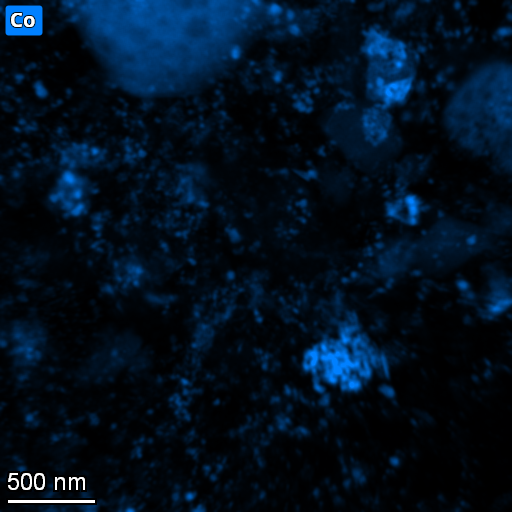
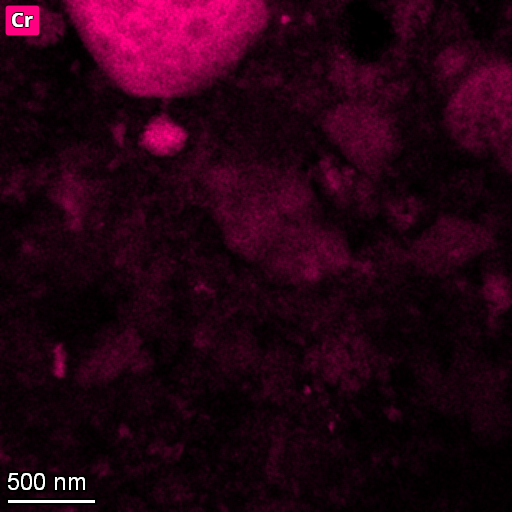
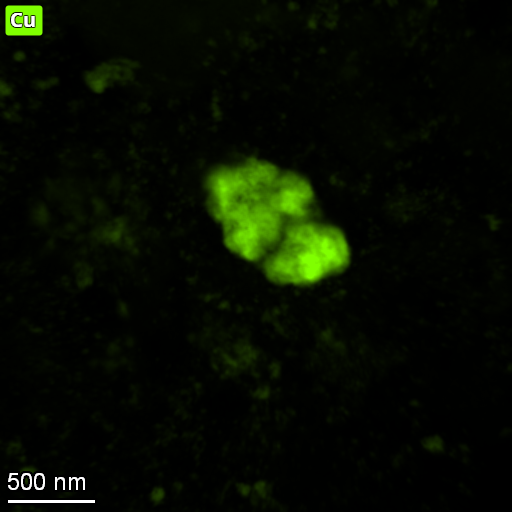
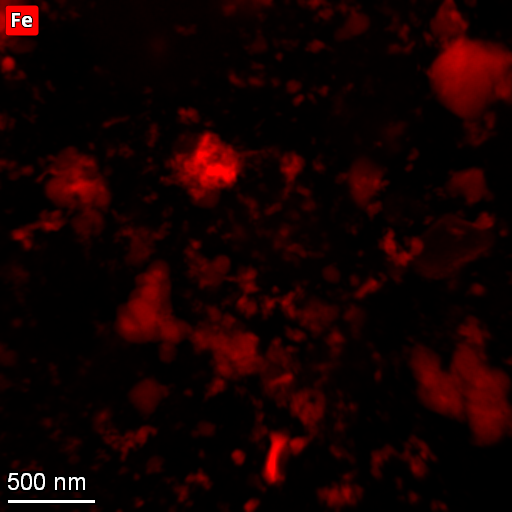
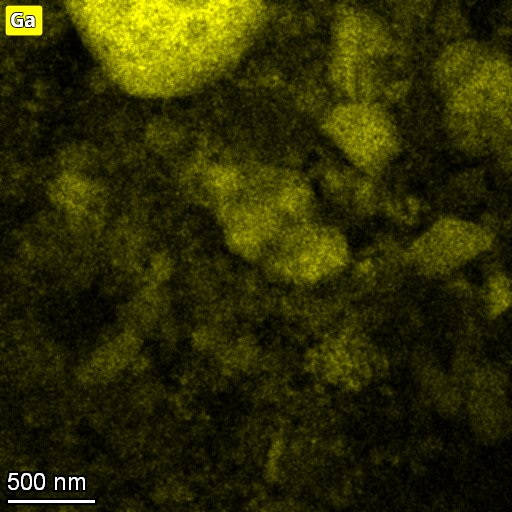
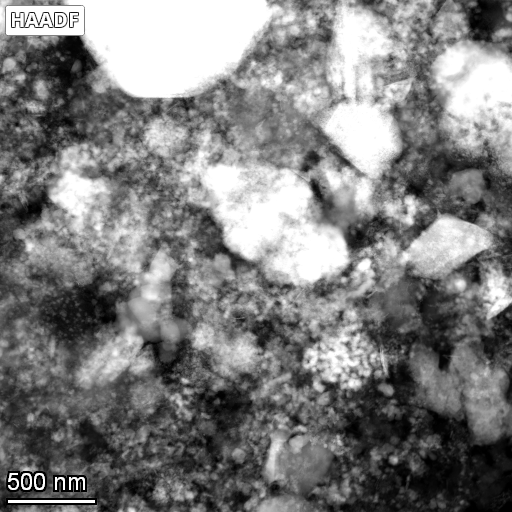
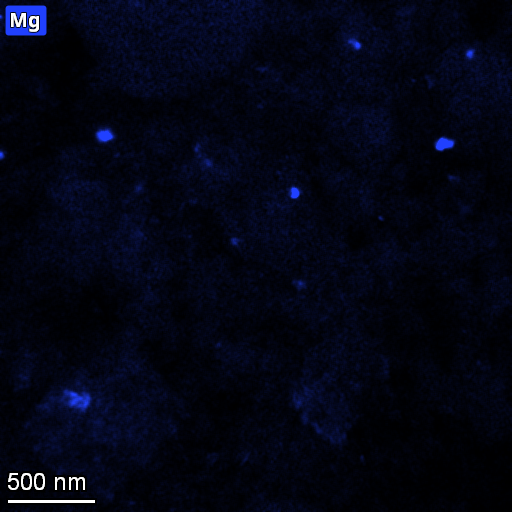
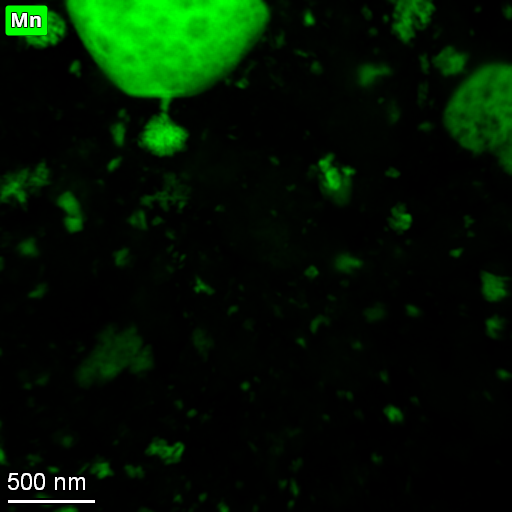
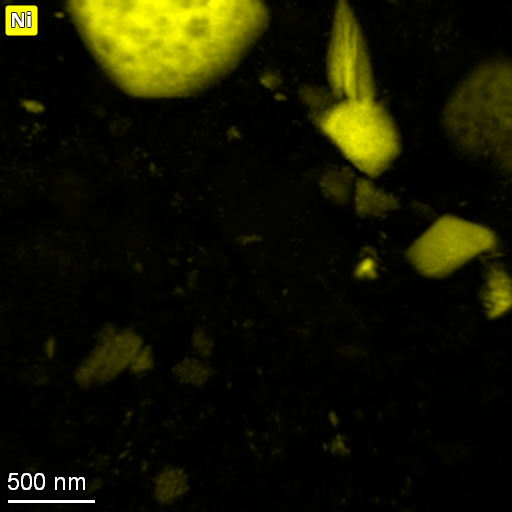
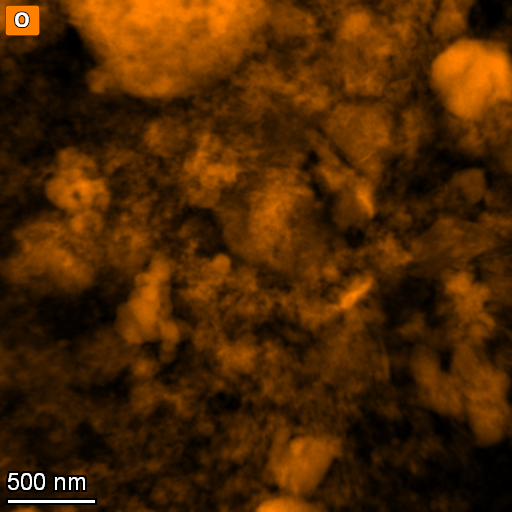
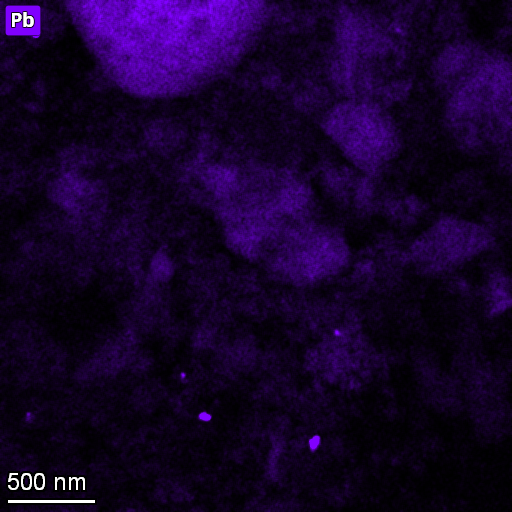
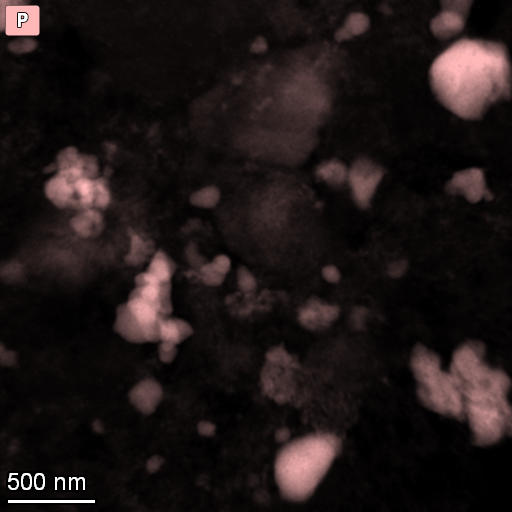
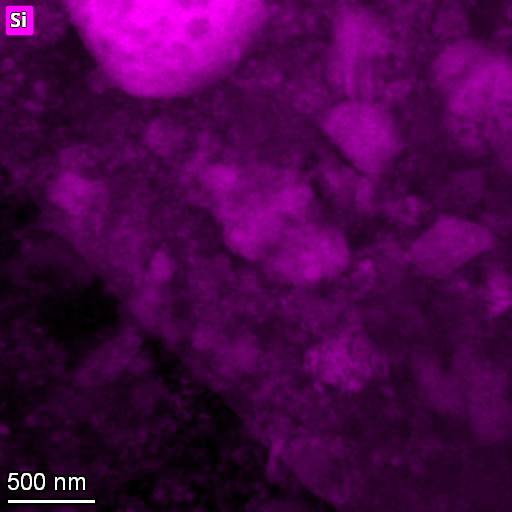
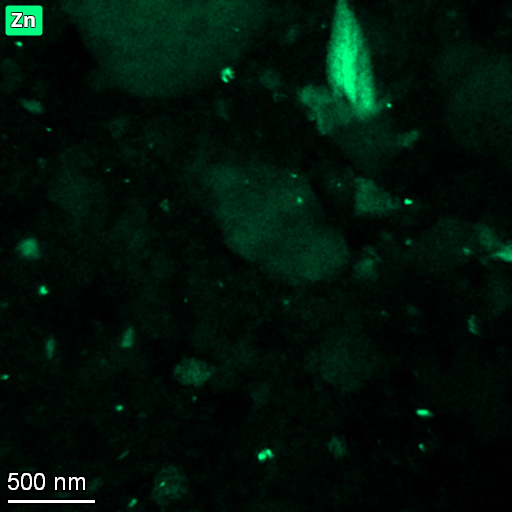
Additionally, in this work, we have used Scanning Transmission Electron Microscopy with Super-X EDX technology to map the beauty of black masses: they are a mixture of the periodic table in a nutshell, see the slideshow above! =)
This work was led by Professor Eva Gerold at the Christian Doppler Laboratory for Advanced Recycling of Lithium-Ion Batteries, based at Montanuniversität Leoben, and I am delighted to have been part of it. I love the work and the importance of Prof. Gerold’s work to society and I am proud to have a small contribution to it. At MUL, Prof. Gerold leads the Christian Doppler Laboratory which brings together scientific rigour and industrial relevance in exactly the way this kind of research demands, and this paper is a strong reflection of that mission.
Chapeau to my co-authors and congratulations to Eva!
E. Gerold. et al. (2026). From chemical to physical characterization: Challenges in the analysis of black mass. Journal of Materials Research and Technology, 42, 12468–12490. https://doi.org/10.1016/j.jmrt.2026.05.372


One thought on “Battery waste is worth billions!”